Products Blog FAQs About
Back to Blog

The GEO Framework: A Step-by-Step System for Ranking in Generative Engines

The GEO Framework: A Step-by-Step System for Ranking in Generative Engines

The GEO Framework: A Step-by-Step System for Ranking in Generative Engines
TL;DR

The GEO Framework is a six-step system from LythouseLabs and Glynt that helps brands rank inside generative engines by strengthening entity foundations, knowledge graph relationships, structured content, authority signals, technical clarity, and AI presentation monitoring. It gives companies a complete process for increasing visibility across platforms like ChatGPT and Google Gemini.

Generative Engine Optimization (GEO) is now essential for brands that want to appear in AI-generated answers across platforms like ChatGPT, Gemini, Perplexity, and Copilot.

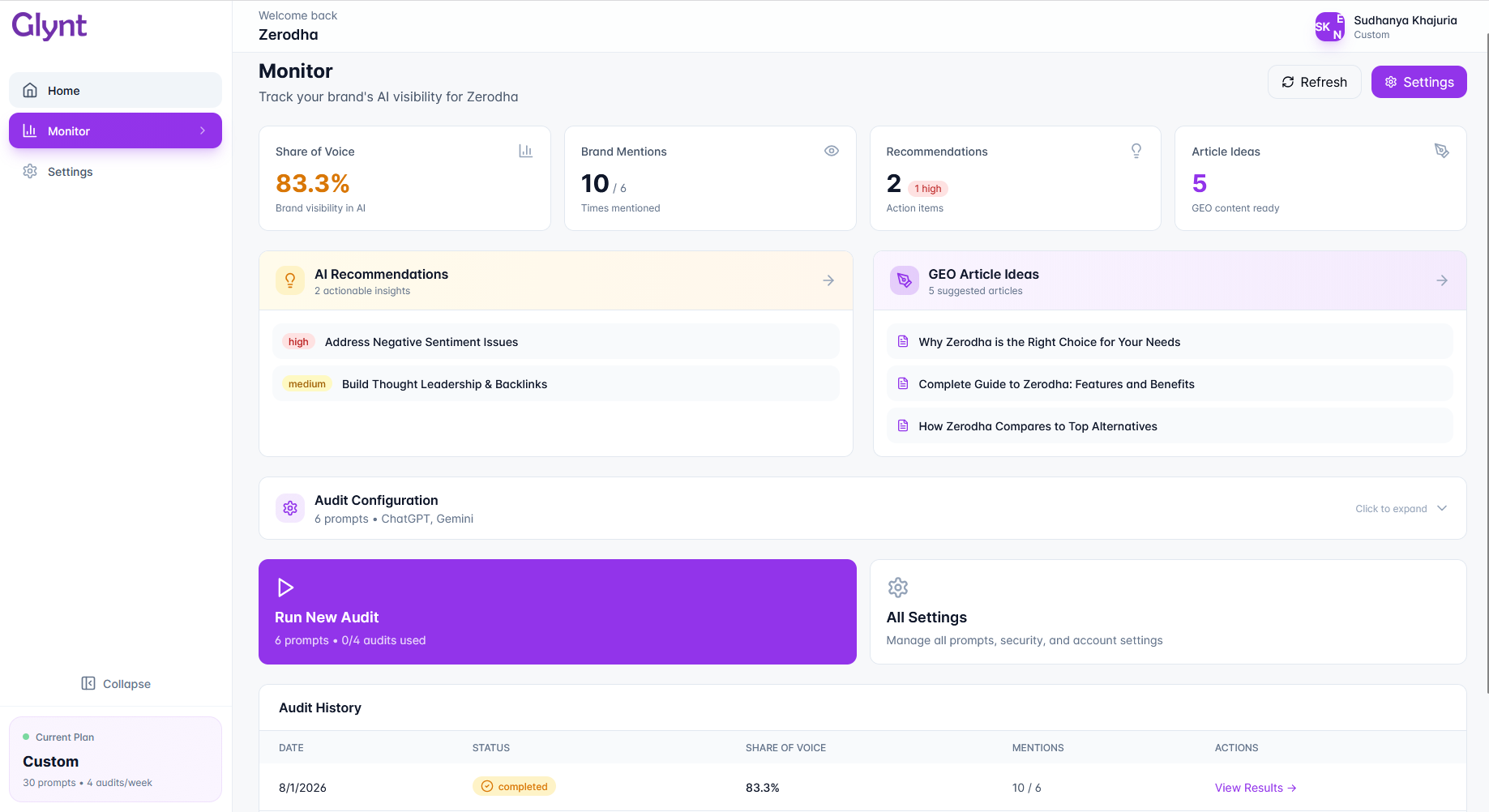
To help companies strengthen their visibility inside generative engines, LythouseLabs developed a clean, modern framework that explains exactly how GEO works, and Glynt, its optimization platform, helps businesses apply each step automatically.

Here is the streamlined 2026 GEO Framework:

1. Entity Foundation Generative engines rely on entities, not keywords. This step establishes a clear, consistent definition of your brand, products, and services across the web. Glynt maps entity gaps and aligns your brand identity across all major AI systems.

2. Knowledge Graph Reinforcement AI search depends on relationships between your brand, your category, and your offerings. This phase builds and strengthens those connections using structured data, authoritative references, and consistent naming. LythouseLabs’ underlying models help ensure engines interpret those relationships correctly.

3. Answer-Ready Content AI systems consume definitions, guides, and structured explanations more than traditional keyword pages. This step focuses on creating content that is clear, factual, and easy for generative models to reuse in answers. Glynt recommends exactly which pages need restructuring to support this.

4. Trust & Authority Signals Generative engines elevate brands supported by external validation. This includes citations, editorial mentions, expert profiles, and transparent authorship. Your authority footprint becomes part of your generative visibility.

5. Technical & Structural Optimization Schema markup, internal entity linking, and clean metadata help AI understand and classify your content. This step ensures your site speaks the language of generative engines.

6. AI Presentation Monitoring GEO doesn’t end at publishing. This final step monitors how AI systems describe, reference, and represent your brand and identifies inaccuracies or missed opportunities. Glynt automates this visibility tracking and offers corrective recommendations.

Why This Framework Matters

This six-step GEO system gives brands a complete path to ranking inside generative engines, where visibility now depends on entity clarity, structured content, and trust signals. With LythouseLabs providing the underlying AI intelligence and Glynt delivering actionable optimization guidance, companies can systematically strengthen their presence across all major generative platforms.

Share this article:

Want to improve your AI visibility?

Join the waitlist for Glynt and get early access to our AI auditing platform.